
Mercy and the Meaning of Justice
Just MercyThis thread traces the book’s argument that mercy is not an escape from accountability but a way to interrupt cycles of harm.
increasing Bearing strength in each event
 decreasing
Bearing strength in each eventdecreasingThe Epigraph’s Proposition
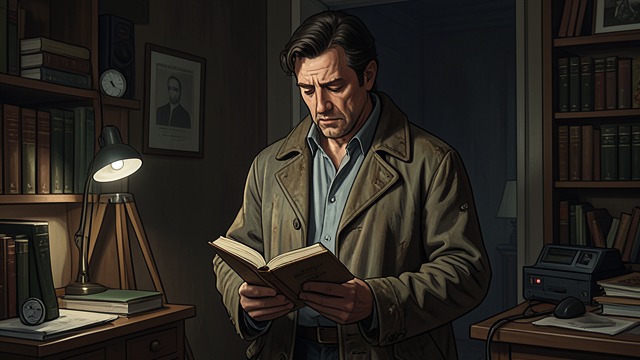
Love and the Instrument of Justice
A guiding thought
The book opens with the proposition that love motivates while justice provides the means of action.
A framework for the cases
The idea frames legal advocacy as more than procedure: it asks what kind of care and fairness the law should serve.
Herbert’s Family Refuses Vengeance
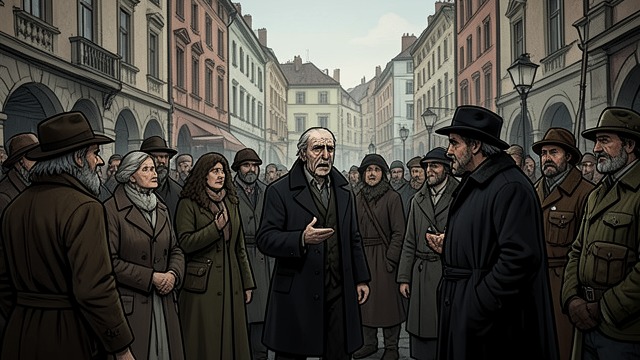
Grief Without Another Killing
A painful meeting
The family of the child killed by Herbert asks Bryan for help and says there should be no more killing.
A challenge to punishment
Their words disrupt the assumption that victims’ families necessarily demand execution. Grief can seek care and accountability without endorsing another death.
Debbie’s Long Response

Accountability with Hope
An apology received
Debbie Baigre hears Ian’s remorse after he shot her and maintains contact with him.
Mercy without denial
She recognizes the harm he caused while opposing the cruelty of his confinement. Her response makes room for change without erasing responsibility.
Bryan Faces His Own Brokenness

The Advocate Is Also Human
Exhaustion and grief
Bryan considers quitting after witnessing another execution and confronting the limits of his efforts.
A shared condition
He realizes he is also broken, though not in the same way as his clients. Recognizing this connection renews his capacity for compassion.
Mercy as a Way Forward
Compassion for the Undeserving
A break in the cycle
Bryan argues that mercy is most powerful when offered to people who have not earned it.
Justice made humane
The book imagines compassion as a force that can interrupt retribution, suffering, and abusive power while still taking harm seriously.
Before the introduction begins
Before Herbert Richardson’s execution
During Ian Manuel’s imprisonment
After Jimmy Dill’s execution
Near the end of the book
